
Blog
From Spits to Pits: The Definitive Regional Encyclopedia of Mexican Tacos

From Spits to Pits: The Definitive Regional Encyclopedia of Mexican Tacos
To view the taco as mere street food is to misunderstand the geography of Mexico. The taco is a edible map of the nation, structured All Taco by local ecosystems, livestock availability, and centuries of indigenous history. Wrapped inside a simple tortilla lies a complex story of regional identity. This encyclopedia examines the distinct taco families that define Mexico’s culinary landscape.
The Arid North: Cattle, Mesquite, and Flour
The vast ranching territories of northern Mexico reject complex stews in favor of open flames and premium beef. This is the birthplace of the flour tortilla (tortilla de harina), an adaptation sparked by wheat cultivation during the Spanish colonial period.
- Carne Asada: The undisputed king of the north, especially in Sonora. High-quality cuts of beef like skirt or flank steak are seasoned only with coarse salt, grilled over hot mesquite wood, chopped fine, and served on thin flour tortillas.
- Tacos de Discarda: Hailing from the agricultural fields of Chihuahua, this taco features a mixture of minced beef, pork, bacon, chorizo, bell peppers, and onions, all simmered together in a traditional plow disc.
- Cabrito: A specialty of Monterrey, consisting of tender, young milk-fed goat roasted slowly over charcoal, shredded, and tucked into warm, buttery flour tortillas.
The Coastal West: Seafood and Batter
Along the Pacific Ocean and the Sea of Cortez, tacos take inspiration from the sea. The flavors here are light, bright, and deeply influenced by immigration history.
- Baja-Style Fish Tacos: Originating in Ensenada, this icon features white fish dipped in a light beer batter, deep-fried to a golden crisp, and served on corn tortillas with shredded cabbage, pico de gallo, and white cream sauce.
- Tacos de Gobernador: A Sinaloan creation combining succulent shrimp, melted Chihuahua cheese, poblano chiles, and onions, grilled together until the corn tortilla turns crispy.
- Marlin Ahumado: Smoked marlin shredded and sautéed with tomatoes, chiles, and onions, offering a rich, savory seafood experience common in Nayarit.
The Central Heartland: Pit-Roasting and Trompos
Central Mexico, centered around Mexico City and surrounding highlands, is the melting pot of taco innovation, characterized by complex marinades and slow-cooking techniques.
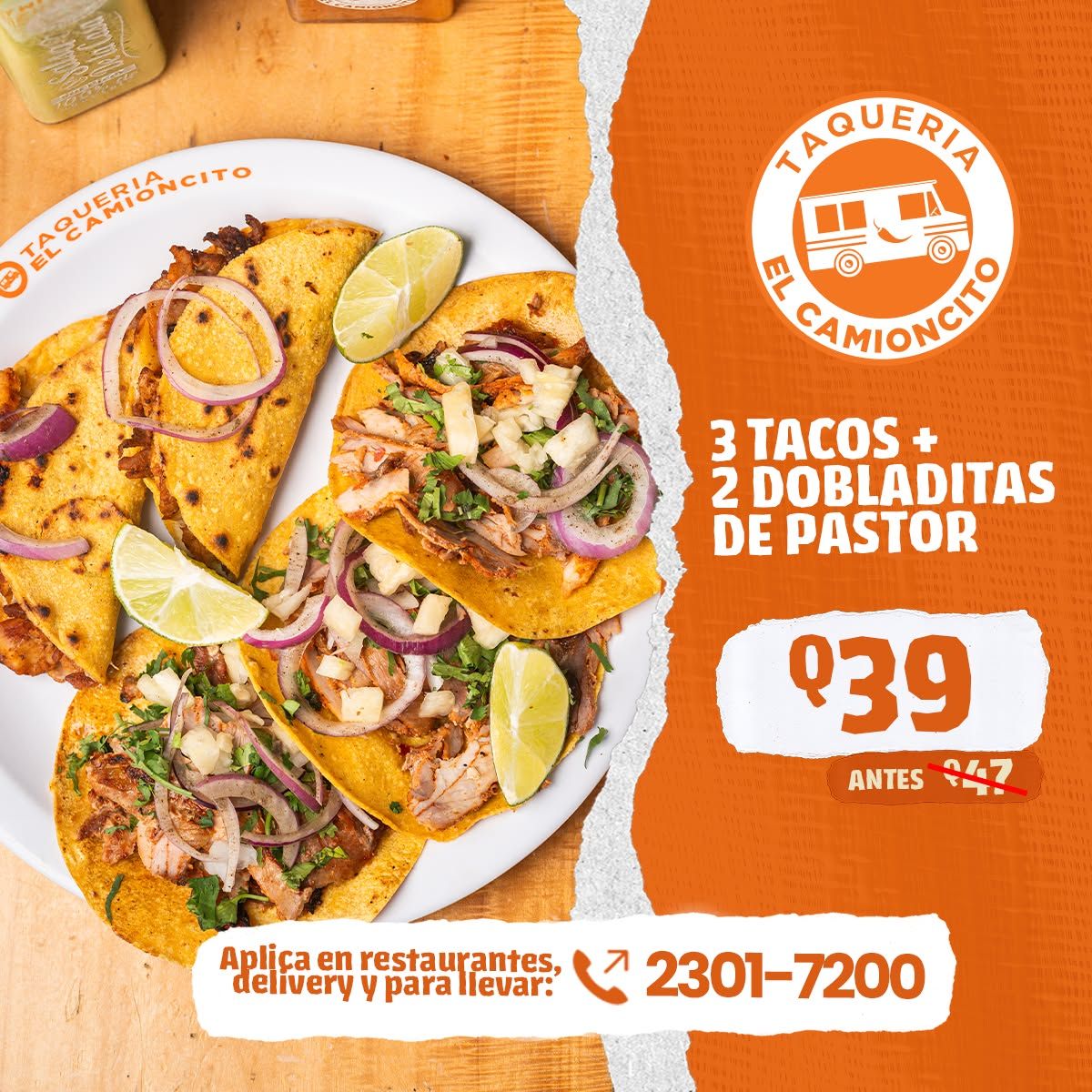
- Al Pastor: Inspired by Lebanese shawarma immigrants, pork is marinated in achiote paste and dried chiles, stacked onto a vertical spit (trompo), flame-broiled, shaved into corn tortillas, and topped with cilantro, onions, and a slice of roasted pineapple.
- Carnitas: Michoacán’s gift to the world involves cooking every part of the pig—from shoulder to skin—in large copper cauldrons filled with pork lard, resulting in meat that is incredibly tender inside and crispy outside.
- Barbacoa: In Hidalgo, mutton is seasoned, wrapped tightly in maguey leaves, and buried overnight in an underground pit lined with hot stones to steam until the meat effortlessly falls off the bone.
- Tacos de Canasta: Literally “basket tacos,” these are pre-assembled with fillings like potato, chicharrón, or refried beans, layered into a cloth-lined basket, doused with hot oil, and left to steam for hours until soft and warm.
The Deep South: Mayan Pastes and Pre-Hispanic Proteins
Southern states like Oaxaca and the Yucatán Peninsula maintain the strongest ties to pre-Hispanic flavors, relying heavily on complex spice blends and unique proteins.
- Cochinita Pibil: A Yucatecan masterpiece featuring suckling pig marinated in bitter Seville orange juice and achiote, wrapped in banana leaves, and baked in an underground earth oven (pib). It is served with pickled habanero onions.
- Tasajo: Oaxacan salt-cured, thinly sliced beef grilled rapidly over wood coals and served on large, handmade corn tortillas with a spread of fresh guacamole.
- Tacos de Insectos: A crunchy pre-Hispanic delicacy featuring toasted grasshoppers (chapulines) or chicatana ants, seasoned with lime and chili powder, offering a highly nutritious and historically rich filling.
To help you explore further, let me know if you want to focus on:
- The exact salsa pairings for each specific regional taco
- A deeper look into the history of flour vs. corn tortillas
- The top taco destinations to visit in Mexico City