Blog
Preventive Healthcare in Taiwan: A Model of Early Intervention and Public Health Success

Preventive Healthcare in Taiwan: A Model of Early Intervention and Public Health Success
Taiwan has built one of the most efficient and widely respected healthcare systems in the world, with a strong emphasis on preventive care. Rather than focusing only on treating illness after it appears, Taiwan’s healthcare strategy prioritizes early drhrahman.com detection, regular screening, vaccination programs, and community-based health education. This preventive approach has played a major role in improving life expectancy and reducing the burden of chronic disease across the population.
A Strong Foundation in Universal Healthcare
At the core of Taiwan’s preventive healthcare system is its National Health Insurance (NHI), which provides nearly universal coverage to residents. This system makes it easy and affordable for people to access regular medical checkups, screenings, and consultations without financial barriers. Because healthcare is widely accessible, individuals are more likely to seek early medical advice instead of waiting until conditions become severe.
The NHI framework also encourages doctors to focus on prevention by integrating routine health assessments into standard care. This includes blood pressure monitoring, diabetes screening, cancer detection programs, and lifestyle counseling.
Nationwide Screening Programs
One of the most effective aspects of Taiwan’s preventive healthcare system is its organized screening programs. The government actively promotes early detection for major diseases such as cancer, cardiovascular conditions, and metabolic disorders.
For example, regular screenings for breast cancer, cervical cancer, and colorectal cancer are widely available and often subsidized or fully covered under NHI. These initiatives significantly improve early diagnosis rates, which increases treatment success and reduces long-term healthcare costs.
In addition, Taiwan has invested in screening for chronic diseases like hypertension and diabetes, which are major health concerns in aging populations. Early identification allows patients to manage their conditions through medication and lifestyle changes before complications arise.
Vaccination and Infectious Disease Control
Taiwan is also known for its strong vaccination programs and infectious disease prevention strategies. Childhood immunization schedules are comprehensive and strictly implemented, covering diseases such as measles, hepatitis B, and influenza.
The country’s rapid response system for infectious disease outbreaks has also become a global reference point, especially after its experience with SARS in 2003. Since then, Taiwan has strengthened its public health surveillance systems, enabling faster detection and response to emerging health threats.
Health Education and Community Engagement
Preventive healthcare in Taiwan is not limited to hospitals and clinics. Public health campaigns play a significant role in encouraging healthy lifestyles. Government agencies regularly promote awareness about nutrition, exercise, smoking cessation, and mental health.
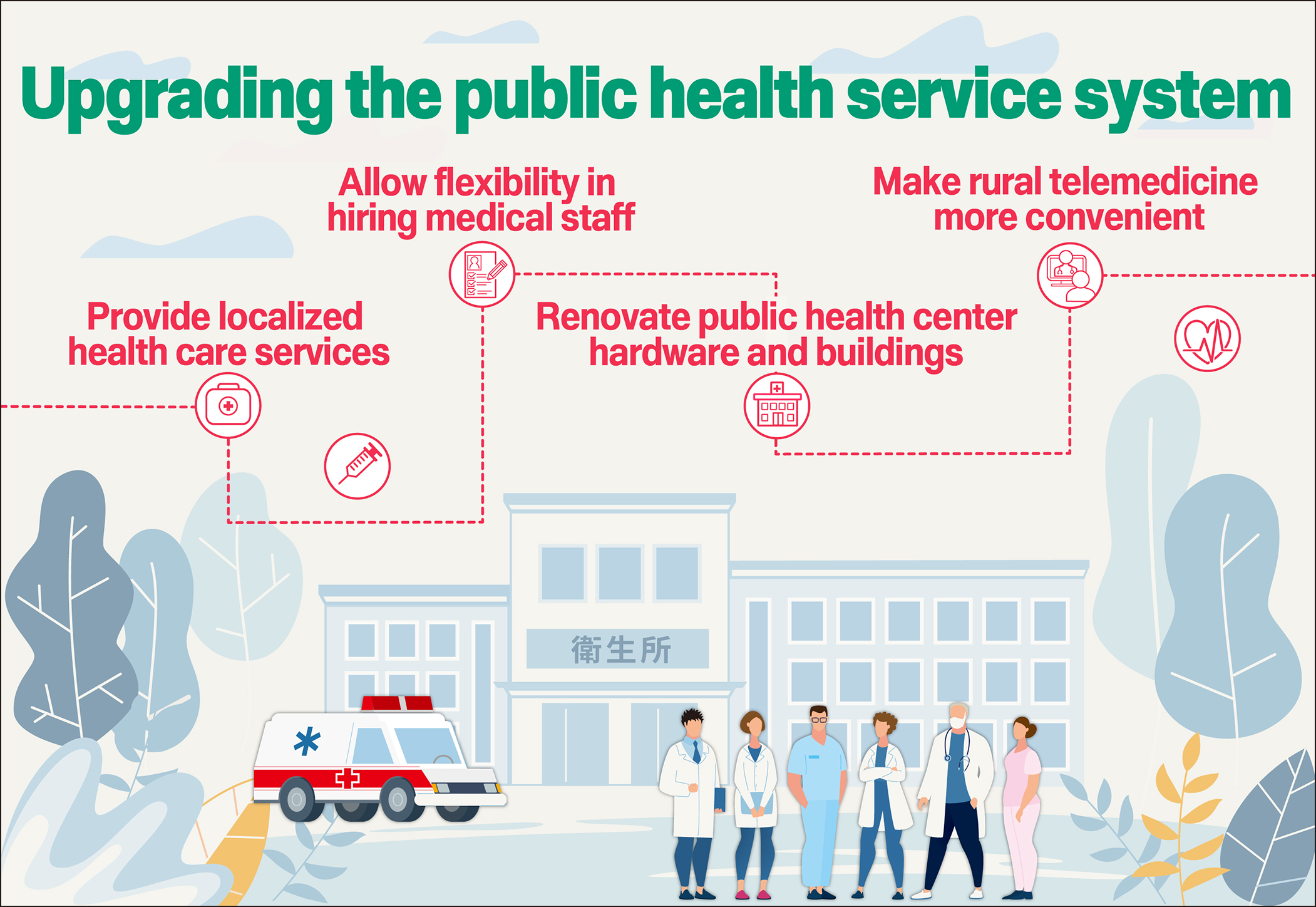
Community health centers also provide workshops and outreach programs, especially for elderly populations. These initiatives help people understand how daily habits affect long-term health, making prevention a shared responsibility between healthcare providers and citizens.
Emphasis on Digital Health and Innovation
In recent years, Taiwan has integrated digital technology into its preventive healthcare system. Electronic health records allow doctors to track patient history more effectively, while data analytics helps identify population health trends.
Mobile health applications and telemedicine services are also expanding access to preventive care, particularly in rural or underserved areas. These innovations support early intervention and continuous monitoring, reducing the risk of severe illness.
Conclusion
Taiwan’s preventive healthcare system demonstrates how a strong public health strategy can transform national wellbeing. By combining universal healthcare access, early screening programs, vaccination coverage, health education, and digital innovation, Taiwan has created a model that many countries look to for inspiration. Its focus on prevention rather than treatment not only improves individual health outcomes but also strengthens the sustainability of the entire healthcare system.