
Blog
The Verdant Heart of the Dragon Kingdom: Agricultural Harmony in Bhutan’s Paro Valley

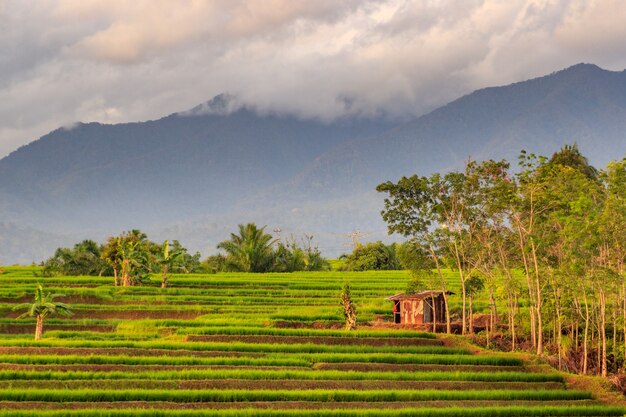
The Verdant Heart of the Dragon Kingdom: Agricultural Harmony in Bhutan’s Paro Valley
Nestled deep within the eastern Himalayas, the Kingdom of Bhutan is globally celebrated for its commitment to environmental preservation and its unique philosophical framework of Gross National Happiness (GNH). Rather than evaluating progress purely through monetary gains, Bhutan prioritizes ecological balance, cultural preservation, and the sustainable well-being of its citizens. A striking visual manifestation of this philosophy can be witnessed in the sweeping landscapes of the Paro Valley. Here, the relationship between human habitation and the natural world is not one of exploitation, but of profound, centuries-old coexistence. The sprawling green steps of the valley’s rice terraces offer a window into an agrarian lifestyle that remains deeply intertwined with spiritual and communal values.
The Art and Engineering of Terraced Farming
The prominent, vibrant green patches that define the topography of Paro Valley are meticulously engineered rice terraces. Farming in a mountainous nation presents unique geographical challenges, forcing generations of Bhutanese farmers to adapt by carving stone and earth into arable steps. This terraced layout is a masterpiece of traditional engineering designed to optimize water management and combat soil erosion.
Using gravity-fed irrigation networks fed by glacial meltwater from high mountain peaks, water flows systematically from upper plots down to lower fields. This structural arrangement ensures that every rice stalk receives adequate hydration while preventing torrential monsoons from washing away the vital topsoil. Because the terrain prevents the widespread deployment of heavy industrial machinery, the planting, nurturing, and harvesting of crops rely heavily on manual labor and animal assistance. This keeps the carbon footprint of local agriculture exceptionally low and helps Bhutan maintain its status as a carbon-negative country.
Architecture in Alignment with Nature
Centered amidst these expansive fields stands a traditional Bhutanese farmhouse, serving as a cultural and functional anchor for the agricultural landscape. Bhutanese residential architecture is highly stylized and legally protected to preserve national identity. These multi-storied structures feature thick, rammed-earth or stone walls painted in bright white, which insulate the interior against harsh mountain winters and cool summer temperatures.
The upper levels typically showcase ornate wooden window frames and distinctively pitched roofs designed to handle heavy rainfall and snow. Traditionally, these homes are multi-functional ecosystems in themselves:
- The Ground Floor: Safely shelters livestock and stores essential farming equipment.
- The Middle Floor: Provides comfortable living quarters for the extended family units.
- The Upper Floor/Attic: Functions as a dry storage area for harvested grains and a dedicated space for sacred family shrines.
A Sustainable Model for the Future
The agrarian rhythm of the Paro Valley underscores a broader national mandate to protect the ecosystem. Bhutan’s constitution dictates that at least 60 percent of the country’s total land area must remain forested for all future generations. By rejecting chemical-heavy intensive farming in favor of organic, rotational methods, valley paddy view resort communities preserve regional biodiversity. The patchwork fields do not disrupt the local wildlife; instead, they coexist with migrating birds, native insects, and the surrounding alpine forests. As global agriculture faces the escalating threats of climate change and environmental degradation, the sustainable, community-driven models found within Bhutan’s hidden valleys serve as an inspiring blueprint for living in absolute harmony with the earth.